IP Dome Cameras (4,214)

Pelco IMPS110-1S is a day/night indoor IP mini dome camera with remote zoom lens for wide angle or long range surveillance needs. It supports up to two simultaneous video streams and a third service stream as well as features a simple motion detection algorithm that allows the camera to record or send an alarm when there is motion detected in a selected zone or within the entire scene. The camera integrates with major third-party video management systems through the Pelco API and other third-party software and systems through the open ONVIF Profile S standard.
Add to Compare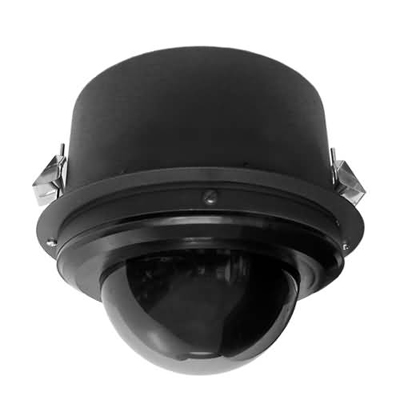
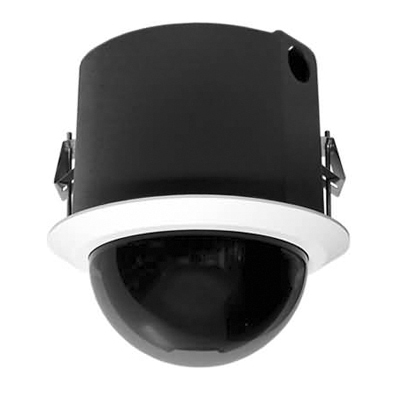
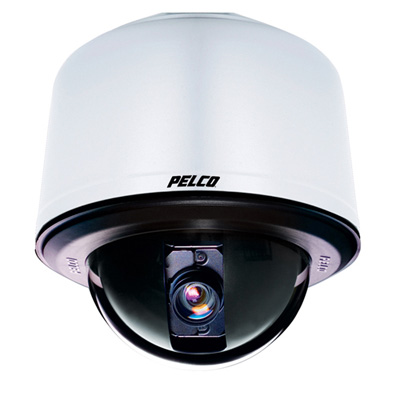

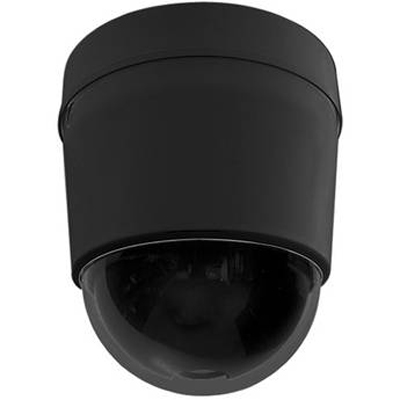
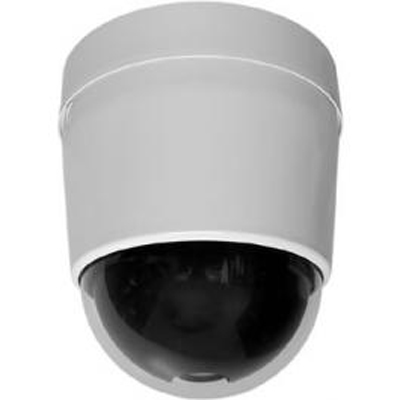

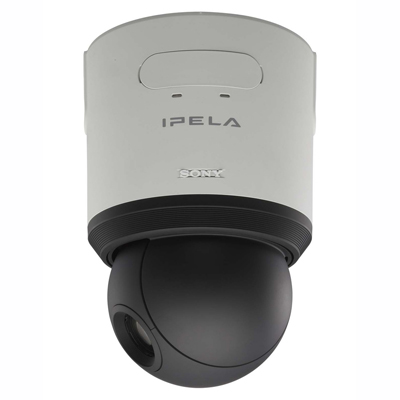
Sony Professional introduced the industry's first HD pan-tilt-zoom (PTZ) IP network security cameras. The cameras are part of the new SNC-RH series camera line-up and have the ability to pan 360 degrees, while capturing and streaming HD video at up to 30 frames per second. The SNC-RH series is the most advanced range of Sony's IP-based network security cameras. The new models - the SNC-RH124P for indoor use and SNC-RH164P for outdoor use - are the first in their class capable of transmitting HD images using H.264 video compression technology. This allows the transmission and storage of digital video using less bandwidth than previous video compression solutions. As a result images from the cameras can be easily connected to a network server, such as Sony's NSR-1000 Series, and displayed in high definition, offering the highest quality image representation. "High-definition imaging and intelligent video analysis are two key features in the new cameras that are driving the market transition from analogue to IP video security technology," said Yu Kitamura, EMEA Product Manager, Video Security, Sony Professional. "When combined with the ability to transmit high-definition video using advanced video compression signals, Sony provides a complete HD security system from camera to recorder to display. This gives users added flexibility to deploy HD cameras in a growing number of industries and applications." The new cameras feature advanced DEPA™ (Distributed Enhanced Processing Architecture), which supports intelligent operation. DEPA technology has moved on significantly since it was first deployed 2006, Sony's embedded intelligent video analysis technology in the HD PTZ cameras is DEPA Advanced providing the highest quality image detection and, critically, recognising if the camera has been tampered with. Moreover, the cameras are capable of dual streaming images in HD using H.264 or MPEG4 compression technology and feature an easy-to-use speed-dome design that can be rapidly assembled and deployed. Usability is further enhanced in the SNC-RH124P security camera by IEEE p802.3 compliant High Power over Ethernet (hPoE) operation. One of the first cameras to support this standard, the cameras can be operated using a single Ethernet cable without requiring additional power supply. While, for users that need to capture moving images in low-light conditions, the new cameras are equipped with XDNR(TM) (dynamic noise reduction) technology that virtually eliminates image blur during low-light video capture, and visibility enhancing technology. Developed to improve performance in challenging lighting conditions, surveillance in high-contrast situations is improved significantly. The European launch of the cameras was held at IFSEC 2009 in the UK at the NEC. Also on show were Sony's new SNC-RS series of standard-definition PTZ cameras and a new encoder range.
Add to Compare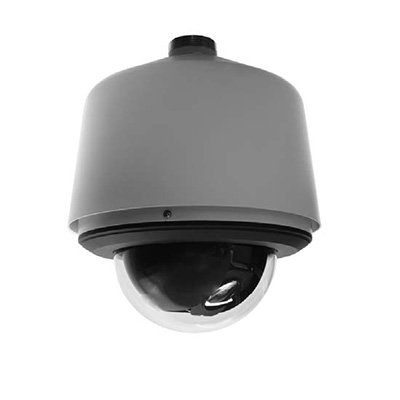
Pelco S6230-ESG1 part of Spectra Enhanced series is compatible with Pelco’s powerful new VideoXpert™ video management system while maintaining backwards compatibility to Pelco’s legacy Endura® and Digital Sentry® VMS platforms. Spectra Enhanced features open architecture connectivity to third-party software.
Add to Compare
Sony SNC-RH124 is a day/night network HD dome indoor camera with 480 TVL. It supports H.264, MPEG-4, and JPEG compression formats, that deliver excellent picture quality at HD resolution in 16:9 aspect ratio. With a total tilt range of 210° and a 360° endless high-speed panning capability, it can cover a wide monitoring area..
Add to Compare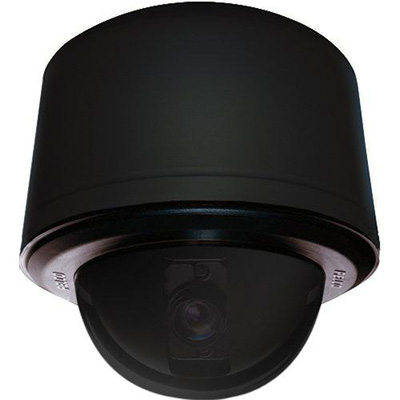

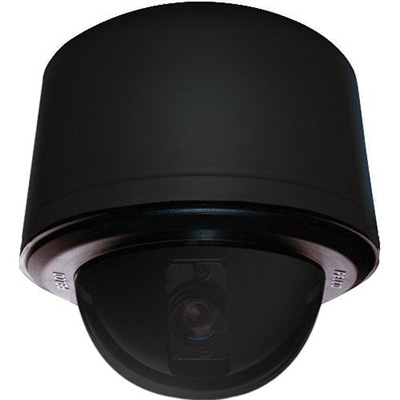
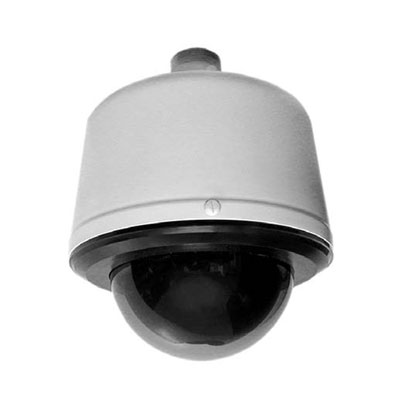
Pelco S6230-PG1 part of Spectran Enhanced series IP dome system is compatible with Pelco’s powerful new VideoXpert™ video management system while maintaining backwards compatibility to Pelco’s legacy Endura® and Digital Sentry® VMS platforms. It also features open architecture connectivity to third-party software. Nine Pelco behaviours are preloaded and included as standard features including abandoned object, adaptive motion detection, AutoTracker and camera sabotage.
Add to Compare
HDTV 1080p video in full frame rate with Forensic WDR Lightfinder and OptimizedIR Axis Zipstream technology EIS, IK10 vandal resistance, IP52 water and dust protection Power with redundancy and configurable I/O ports
Add to Compare
Pelco IMPS110-1ES 1/4-inch day/night indoor IP dome camera with autofocus motorised remote zoom lens, accessible edge storage with micro SD card, motion detection and camera sabotage analytics and standard web browser interface.
Add to Compare
Pelco ES5230-15N is part of ES5230 series of IP positioning systems. It supports high-profile H.264 compression as well as features open architecture connectivity for third-party software recording solutions allowing integration into virtually any IP-based HD system. In addition, it features adaptive motion detection, auto tracker, camera sabotage, loitering detection, object counting and object removal functions.
Add to Compare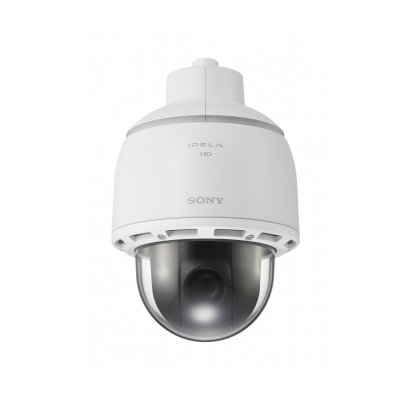
The SNC-WR632C is a high-performance rapid dome network camera that’s ideal for wide-area surveillance in challenging environments – from airports, stadiums and urban areas to malls and perimeters. The camera’s sensitive, high-resolution Exmor™ CMOS sensor is teamed with Sony’s IPELA ENGINE PRO™ processing platform, bringing on-board image processing to a new level at Full HD resolution.
Add to Compare

Geutebruck’s new G-Cam/E range of HD cameras is designed for quicker, cheaper, safer installation and adjustment. There are box, fixed dome, bullet and PTZ dome models for all types of professional monitoring applications, for indoors or out, with or without one-click AF. All have 1/2.7” CMOS image sensors, support H.264 and MJPEG, offer HD1080P resolution and day/night operation with removable cut filters for optimum light sensitivity and colour reproduction. Not only are these cameras simple to install, but you can set them up without taking your laptop up the ladder. After drilling holes and mounting a G-Cam/E series camera, you just plug a tiny pocket-sized service screen into its analogue output and set the viewing angle. Then you can close the housing and adjourn to the relative comfort of your workstation or control room. There you assign the IP address, take advantage of the remote-controlled motorised lens to adjust the image quality, and run the Geutebruck video system’s CamCheck feature to create a reference image from each camera. This image not only lets you document the installation for approval purposes, but also in the longer term, facilitates quality control checks and system quality certification. Questions like: Has the field of view remained constant? Are the lens and housing window clean? Has vegetation grown to obscure the view? - are all easy to answer when you have a definitive reference.
Add to Compare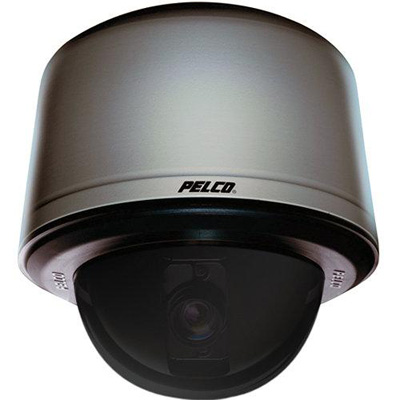
Spectra IV IP supports two simultaneous video streams. The two streams can be compressed in MJPEG, MPEG-4, and H.264 formats across several resolution configurations. The streams can be configured in a variety of frame rates, bit rates, and group of pictures (GOP) structures for additional bandwidth administration. The H.264 compression video files are up to 20 times smaller than MJPEG.
Add to Compare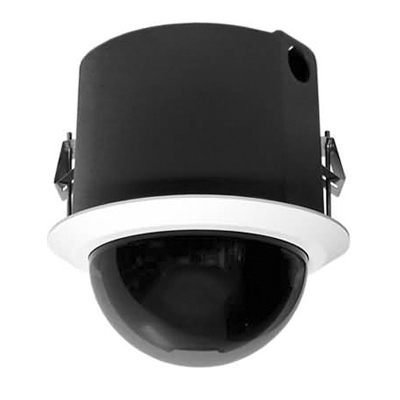
Spectra IV IP supports two simultaneous video streams. The two streams can be compressed in MJPEG, MPEG-4, and H.264 formats across several resolution configurations. The streams can be configured in a variety of frame rates, bit rates, and group of pictures (GOP) structures for additional bandwidth administration. The H.264 compression video files are up to 20 times smaller than MJPEG.
Add to Compare

Pelco IL10-DP 720P is a colour micro IP dome camera that offer a cost-effective solution for video security needs in small- and medium-sized businesses. They are part of Pelco’s Value (V) range of cameras. It works with PoE-enabled network switches or power injectors, eliminating the need for separate power supplies and cabling. The 24 VAC models are also offered for installations where 24 VAC power already exists.
Add to Compare

Pelco IMP1110-1S is a 1MP colour monochrome mini IP dome camera that feature a remote zoom lens for wide angle or long range surveillance needs. It has a autofocus capability that ensures the camera can be automatically refocused when needed. Additionally, the Sarix IMP Series features advanced color science and a mechanical IR cut f ilter for increased se nsitivity in low-light installations.
Add to Compare
Sony SNC-WR602 is a true day/night outdoor PTZ dome camera based on Sony’s unique signal processing and intelligent video analytics technologies to provide unique features such as a high frame rate, View-DR, XDNR ® , DEPA™ Advanced Intelligent Video Analytics, Gyroscopic Image Stabilizer, Focal Plane Distortion Correction, and Defog Image Processing.
Add to Compare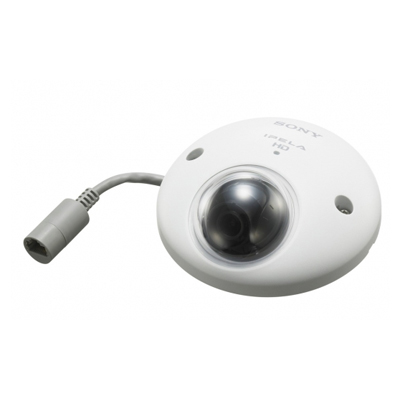
The rugged SNC-XM632 minidome IP camera is suited to a wide range of security and surveillance environments indoors and outside – from retail and mall entrances to bank ATMs, educational campuses or car park exits. Full HD picture quality is assured by the sensitive, high-resolution Exmor™ CMOS sensor that’s teamed with Sony’s latest-generation IPELA ENGINE EX signal processing system. Every scene looks clearer, sharper and more detailed – even in challenging low-light conditions or with harsh backlighting. Extra intelligence is added by DEPA Advanced Intelligent Video Analytics that can intelligently trigger an alarm based on user-defined rules. The SNC-XM632 complies with ISO 16750 electrical standards for use inside road vehicles.
Add to Compare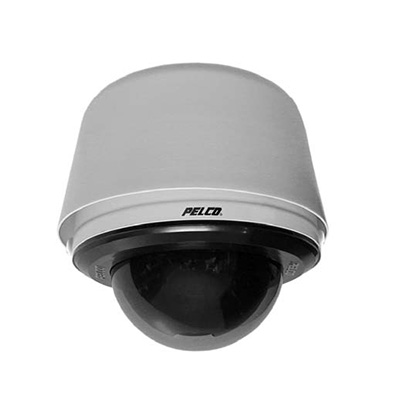
Pelco S6230-EG0 features a full-suite of built-in analytics including auto tracker, adaptive motion detection, abandoned object and more. It also has 16 preset tours and 32 window blanks. Spectra Enhanced easily connects to Pelco IP and hybrid systems such as VideoXpert, Endura version 2.0 (or later), and Digital Sentry version 7.3 (or later).
Add to Compare
SNC-EM600 features IPELA ENGINE EX Technology, which is based on Sony’s unique signal processing and intelligent video analytics technologies to provide unique features such as View-DR, XDNR, and DEPA Advanced technologies. Its visibility enhancer optimises the brightness and colour reproduction of an image dynamically on a pixel-by-pixel basis while continuously adapting to the scene within the given dynamic range.
Add to Compare
Pelco ES5230-02N is part of ES5230 series of IP positioning systems. It supports high-profile H.264 compression as well as features open architecture connectivity for third-party software recording solutions allowing integration into virtually any IP-based HD system. In addition, it features adaptive motion detection, auto tracker, camera sabotage, loitering detection, object counting and object removal functions.
Add to Compare
Ultra-compact, vandal- and dust-resistant design Two lens options: 2.4 mm or 1.8 mm HDMI support enables streaming to a monitor Axis Zipstream technology for reduced bandwidth and storage Axis Corridor Format & 3-axis camera angle adjustment
Add to Compare

The SNC-DH140T is a tamper proof high definition (720p) minidome network security camera with electrical Day/Night settings, Intelligent Motion Detection, DEPA Advanced, View DR and is ONVIF compliant. It also supports dual streaming of H.264, MPEG-4 and JPEG at full frame-rate.
Add to Compare
Pelco IMP519-1EP is a 1/3.2-inch day/night IP dome camera with 5 MP resolution, autofocus motorised remote zoom lens, accessible edge storage with micro SD card, motion detection and camera sabotage analytics and standard web browser interface.
Add to Compare
The Spectra Professional Series delivers clear, live streaming, high-definition images over the Internet using a standard Web browser (Microsoft® Internet Explorer®, Chrome, or Mozilla® Firefox®). With six times the resolution of standard definition domes, Spectra Professional is an ideal solution to view details such as faces, license plates, tattoos,or other specific features when in a zoomed-in position. P1220-ESR0 supports High-Profile H.264 compression, a vast improvement in quality over MPEG-4 and 20 times more efficient than MJPEG.
Add to Compare

Pelco ES5230-12NP is part of ES5230 series of IP positioning systems. It supports high-profile H.264 compression as well as features open architecture connectivity for third-party software recording solutions allowing integration into virtually any IP-based HD system.
Add to Compare